It's one of the most common stories we hear. Someone gets rear ended on Cooper Street or stuck in a fender bender on Interstate 20. They feel a little shaken but otherwise fine, so they swap insurance details and head home. Two days later, they can barely turn their head.
That's whiplash, and the delay catches a lot of people off guard. Here's what's going on, how long it usually lasts and what actually helps.
What Is Whiplash?
Whiplash is a neck injury that happens when your head is thrown backward and then forward very quickly, a bit like the crack of a whip. That sudden motion stretches the muscles, ligaments and joints in your neck past their normal range. It's most common in rear end collisions, even at low speeds, but it can also happen in sports, falls and side impact crashes.
What Are the Signs of Whiplash?
Neck pain and stiffness are the classic signs, but whiplash can show up in other ways too:
- Headaches that start at the base of your skull
- Pain or tightness in your shoulders, upper back or mid back
- Trouble turning your head side to side
- Tingling or numbness in your arms or hands
- Feeling dizzy, tired or foggy
- Jaw pain or ringing in your ears
- Lower back pain if your body twisted on impact
Why Do Whiplash Symptoms Show Up Days Later?
Whiplash symptoms are often delayed because adrenaline masks pain right after a crash. Then, over the next day or three, inflammation builds up in the injured tissue. That's why so many people wake up sore a day or two after an accident. Some don't notice problems for a week or more. Waiting it out can let stiffness and scar tissue settle in, which may make recovery take longer.
How Long Does Whiplash Last?
Most mild to moderate whiplash injuries improve within six to eight weeks. More serious injuries can take three to six months, and sometimes longer. Your age, any old neck problems and how soon you start care all affect how quickly you heal. Our car accident recovery timeline walks through each stage of healing in more detail.
How Does a Chiropractor Treat Whiplash?
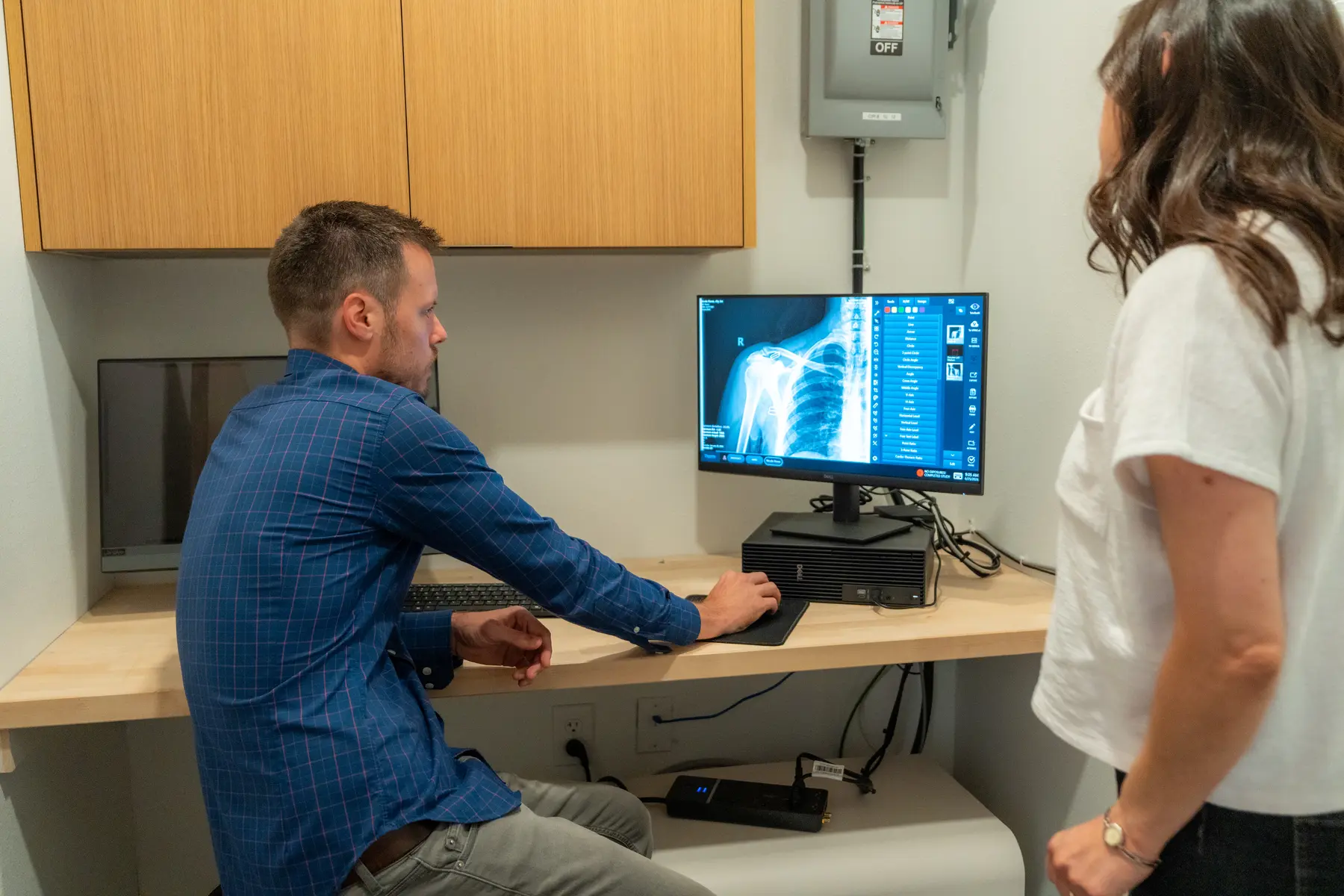
A chiropractor treats whiplash by getting injured neck joints moving normally again, calming muscle spasm and slowly rebuilding strength. When you come in, Dr. Michael Moss, D.C. will ask how the accident happened, check how your neck moves and test your nerves and reflexes. He'll order digital X rays if they're needed.
Early on, care is gentle. As your car accident chiropractor in Arlington, Dr. Moss may use soft manual adjusting to free up stiff joints, therapeutic massage to settle sore muscles, and muscle stimulation or cold laser therapy to help with pain and swelling. As you improve, he'll add strengthening exercises so your neck can handle everyday life again. You can see everything we offer on our accident injury treatments page.
What Should You Do in the First Few Days After a Car Accident?
- Get emergency care first for any serious injury, head injury or loss of consciousness.
- File a police report and take photos of both cars and the scene.
- Swap insurance information with the other driver.
- Get checked within 72 hours, even if you feel okay.
- Write down your symptoms and keep records of every visit and missed workday.
- Stick with your treatment plan, even after the pain starts to ease.
If you have questions about insurance or your claim, our personal injury FAQs cover the basics.
When Is Whiplash an Emergency?
Go to the ER right away if you have severe neck pain after a crash, passed out, feel confused, have a bad or worsening headache, keep vomiting, or have weakness or numbness in both arms or legs. Chiropractic care comes after serious injuries have been ruled out.
FAQ Common questions
Whiplash FAQs
Within 72 hours is ideal, even if you feel fine. Many whiplash symptoms are delayed, and getting checked early helps catch problems before they stick around.
Yes. Whiplash headaches usually start at the base of the skull. Our neck pain chiropractor guide explains how neck related headaches are treated.
It can. Injured neck joints and muscles can affect your balance. Read more in our article on chiropractic care for vertigo.
Yes. We treat auto accident and personal injury patients from Arlington and across the DFW area.
Get Checked for Whiplash in Arlington, TX
If you've been in a crash, even a small one, don't wait to see if the stiffness goes away on its own. Call (817) 718 1052 or contact us to set up a visit. We're right off Interstate 20 at 5801 W Interstate 20, Suite 350, Arlington, TX 76017, Monday through Thursday, 7:30 am to 12:00 pm and 3:00 pm to 6:00 pm.